
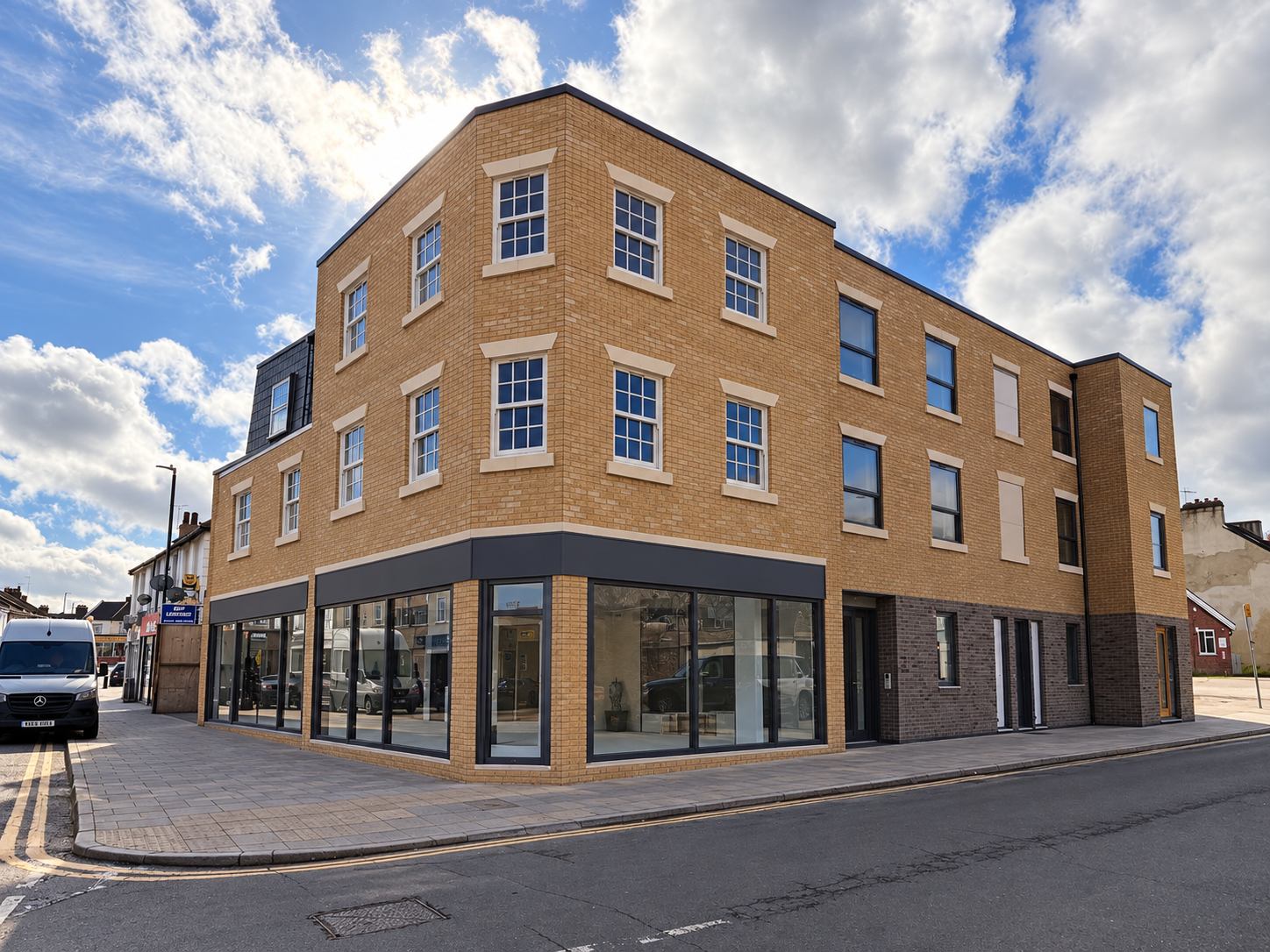
The main use classes
- B2: general industrial. B8: storage and distribution.
- C1: hotels. C2: residential institutions such as care homes. C3: dwellinghouses. C4: small houses in multiple occupation (3 to 6 people).
- E: commercial, business and service, including shops, cafés and restaurants, offices, gyms, clinics, nurseries and light industry.
- F1: learning and non-residential institutions. F2: local community uses, including some small shops, halls and swimming pools.
- Sui generis: uses in a class of their own, including pubs, hot food takeaways, cinemas, nightclubs, betting shops, petrol stations and large HMOs.
When you need permission
A material change of use between classes is development and needs planning permission, unless a permitted development right applies. Moving between uses within Class E, for example from a shop to an office or a café, generally doesn’t need permission, although conditions on an earlier permission can restrict this.
Permitted changes
Common permitted changes include Class E to homes (Class MA), agricultural buildings to homes (Class Q), and C3 house to C4 small HMO, unless an Article 4 direction applies. See our HMO guide.
Check before you buy
The lawful use of a building has a big effect on its value. Check the planning history, any conditions limiting use, and any Article 4 directions. A lawful development certificate can confirm an existing use.
Want advice on your site?
Tell us what you’re planning and we’ll explain where you stand, in plain English.
Sources
This article is general information about planning in England at the date shown. It is not advice on any particular site, and the law and policy may have changed since. Please speak to us before relying on it.