
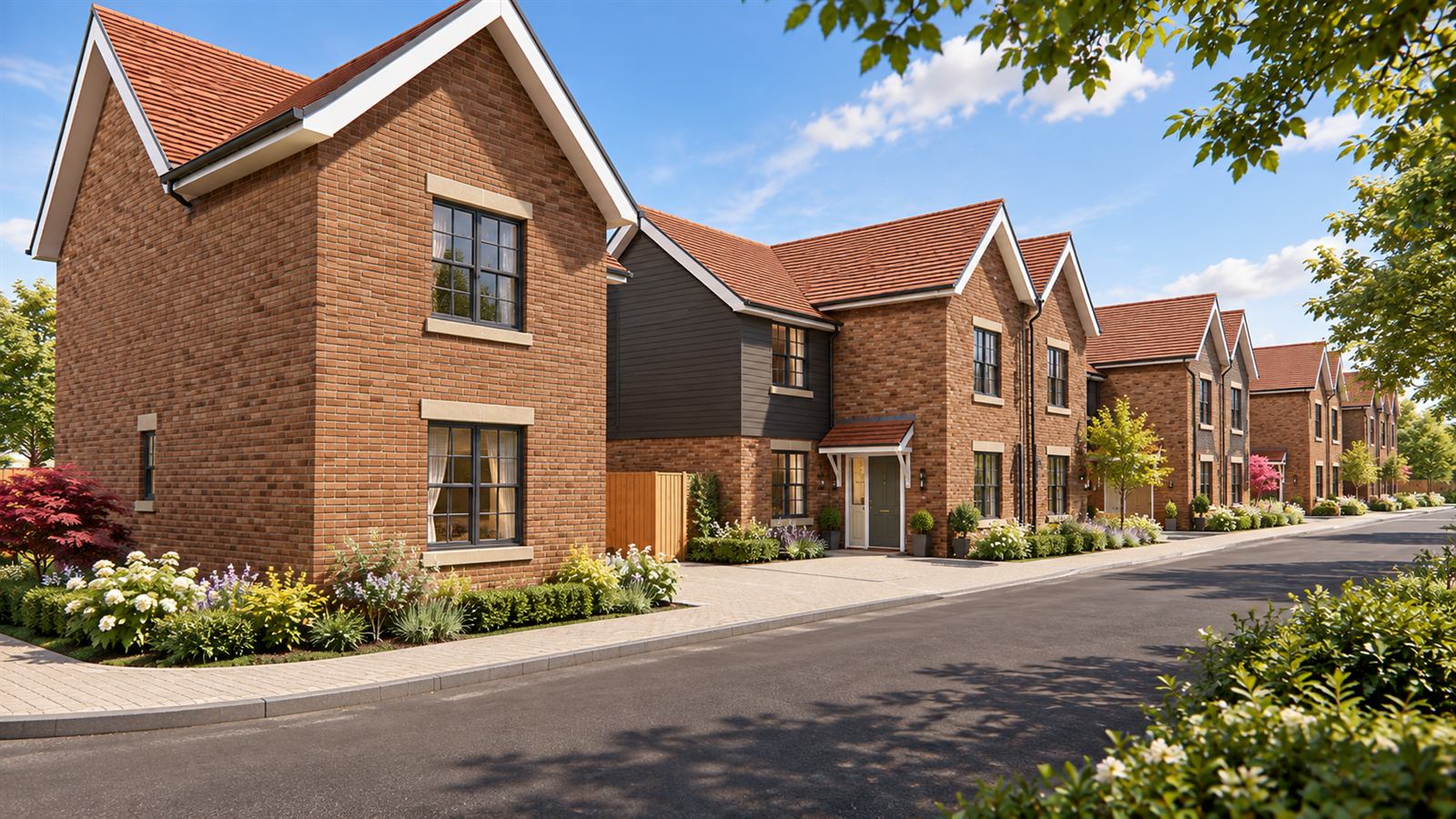
What a conservation area is
Councils designate conservation areas to protect places of special architectural or historic interest. When deciding applications, they must pay special attention to preserving or enhancing the area’s character or appearance. Most councils publish a conservation area appraisal, which is the best guide to what they value.
Reduced permitted development
Conservation areas are ‘article 2(3) land’. Compared with elsewhere, the following are not permitted development:
- side extensions, and rear extensions of more than one storey;
- loft conversions and other roof extensions;
- cladding the outside of the house in stone, render, timber or tiles;
- larger home extensions through prior approval;
- outbuildings between a side wall and the boundary.
Rear single-storey extensions within normal limits are usually still permitted development, unless removed by an Article 4 direction.
Demolition
Demolishing a building of more than 115 m³, or a gate, wall or fence above certain heights, needs planning permission. Doing it without permission is a criminal offence.
Trees
You must give the council six weeks’ notice before cutting down or pruning a tree with a trunk diameter of 75 mm or more (measured 1.5 m above the ground). See our trees guide.
Designing in a conservation area
Good proposals respond to the area’s materials, proportions and building lines. Contemporary design can succeed when it is high quality and well justified. A heritage statement explaining how the scheme preserves or enhances the area is essential.
Want advice on your site?
Tell us what you’re planning and we’ll explain where you stand, in plain English.
Sources
- GOV.UK: Historic environment planning guidance
- GOV.UK: Tree preservation orders and trees in conservation areas
This article is general information about planning in England at the date shown. It is not advice on any particular site, and the law and policy may have changed since. Please speak to us before relying on it.